The Charging Drawer Audit: Standardising USB-C Power Without Paying Brand Tax
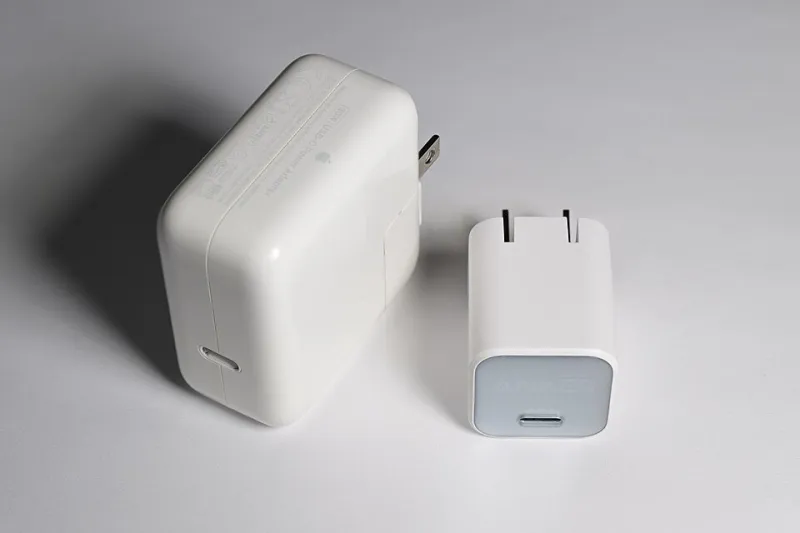
Photo: 4300streetcar, CC BY 4.0, via Wikimedia Commons
There is a drawer in most UK homes that tells a story about charging. It holds a tangle of cables, a mystery wall plug from a hotel, and at least one charger bought for £12 because it promised 65W and next-day delivery. The charger works — until it doesn't. The question for tech-curious professionals isn't whether cheap USB-C power exists. It's whether the saving survives the first failure, the first hot plug, or the first laptop that refuses to charge at full speed.
The false economy starts at the socket
A £12 charger is not automatically unsafe. Plenty of sensible, low-cost power supplies exist. The problem is the category: marketplace listings often blur the line between a charger, a power supply and a claiming-to-be-universal brick. In the UK, the plug itself is part of the safety story. A genuine BS 1363 three-pin plug has a fuse in the right place, insulated pins and a shape designed for our sockets. Cheap units sometimes arrive with thin plastic, loose pins or a moulded plug that feels warm before it has done any real work. If the plug rocks in the socket, stop. If the pins are tarnished or the casing flexes, stop. That is not a brand preference; it is basic electrical hygiene.
What UKCA marking actually tells you
UKCA marking is a conformity marking for Great Britain. It signals that the manufacturer or importer claims the product meets the relevant rules — electrical safety, electromagnetic compatibility and so on. It is not a quality badge, and it is not a promise that the charger will last three years. CE marking still appears on many products and can be accepted in some areas, so treat either mark as a starting point rather than a finish line. The useful questions are dull ones: who is the manufacturer, who is the UK importer, is there a UK address for returns, and does the label show the input and output ratings clearly? A charger with no readable model number, no importer details and no wattage breakdown is a charger you cannot audit.
Power Delivery is a language, not a sticker
USB-C Power Delivery is a negotiation. The charger and the device agree on voltage and current. A 65W label means the charger can deliver up to 65W across its ports, not that every port gets 65W at once. Multi-port GaN chargers are excellent for travel, but read the split: a 65W brick might give 45W to a laptop and 20W to a phone when both are plugged in. For most UK professionals, a 45–65W charger covers a thin laptop and a phone; a 30–45W compact unit covers a tablet, phone and headphones. Look for USB-IF certification where stated, and be sceptical of listings that quote only one big number without the voltage and current profiles.
The cable is half the purchase
A charger is only as good as the cable. A 100W USB-C cable needs an electronically marked cable, often called an e-marker, to negotiate safely above 60W. Without it, the cable may cap at 60W or behave unpredictably. For data, not all USB-C cables carry video or high-speed data. If you use a dock, a portable SSD or a monitor, buy a cable rated for the job rather than assuming the one in the box is universal. The practical rule: keep one certified 100W cable for laptop charging, one certified 60W cable for phone and accessories, and a short cable for travel. Label them. The unlabelled cable in the bag is the one that fails at the worst moment.
Build a small, standardised kit
The aim is not a drawer of premium accessories. It is a kit you understand. Start with a 65W GaN charger with two USB-C ports and one USB-A port if you still have older kit. Add a 30–45W compact charger for the bag. Buy two certified USB-C cables — one long, one short — and a spare USB-A to USB-C cable if anyone in your household still uses one. Add a small pouch and label each item with a permanent marker. For travel, use a charger with a UK plug and a separate reputable travel adapter, rather than stacking adapters. Never run a laptop charger through a shaver adapter or a loose hotel adaptor. If you travel often, a single 65W international charger with interchangeable plugs is usually tidier than three cheap bricks.
Warranty, returns and the marketplace test
Under UK consumer law, goods must be as described, of satisfactory quality and fit for purpose. Your statutory rights sit with the retailer, not the manufacturer, so a marketplace seller with no UK returns address is a risk. A two-year warranty is useful, but check what it covers: postage, replacement, and whether you need the original box. Keep the order email and photograph the model number. If a charger runs hot, smells of hot plastic, or causes a device to disconnect repeatedly, stop using it and return it. Do not tape over a cracked plug.
The audit in practice
Empty the charging drawer. Keep the chargers with clear labels and certified cables. Retire the no-name bricks that run warm at idle, the cables with frayed ends and the adapters that wobble. Replace them with one good 65W unit, one compact unit and two certified cables. The total may be more than £12, but it is less than a failed laptop port, a ruined phone battery or a nasty surprise at the socket. The false economy is not cheap power. It is power you cannot explain.